
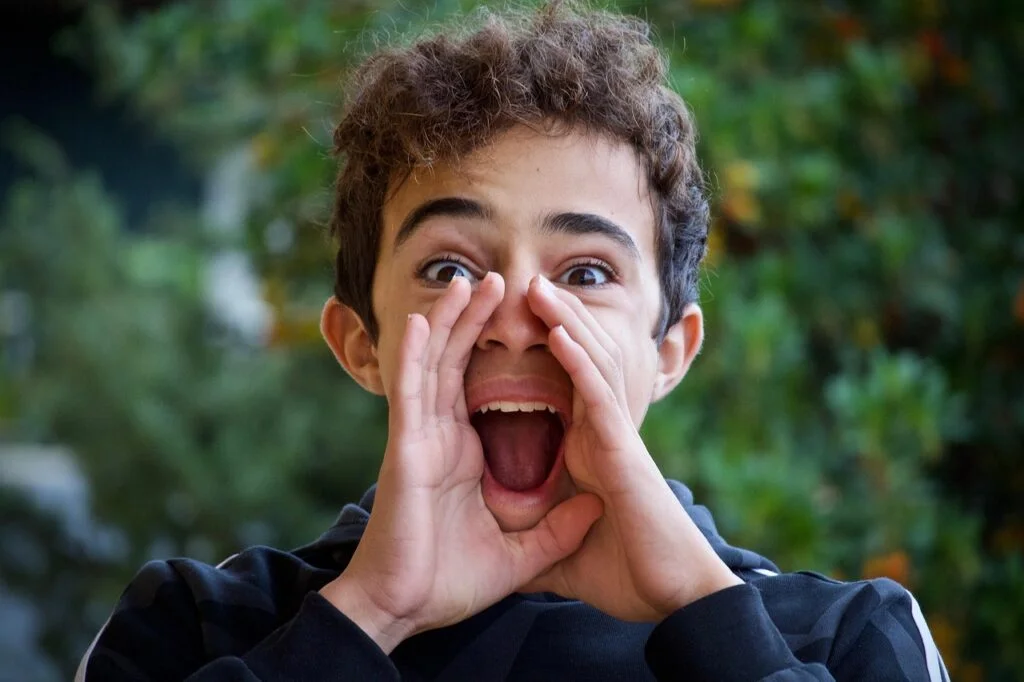

That sinking feeling after losing it with your kids is real—and so are the effects. Research confirms that frequent yelling can affect your child’s developing brain, their emotional wellbeing, and your relationship with them.
Every parent loses their temper sometimes. You’re exhausted, they’re pushing limits, and suddenly you’re using a voice you swore you’d never use. That doesn’t make you a bad parent—it makes you human. What matters is understanding what happens, why it happens, and what to do instead.
The effects of yelling at children can be surprisingly long-lasting, from increased anxiety to behavioral problems. And understanding why we yell is just as important as learning how to stop.
The Short Answer
Yelling at kids triggers a stress response that, when repeated often, can affect emotional regulation, behavior, and self-esteem. A 2014 study published in Child Development (Wang & Kenny) found that harsh verbal discipline—including shouting—was linked to more conduct problems and depressive symptoms in adolescents. The good news: change is possible, and repair matters.
- Frequent yelling activates the stress response in children
- It can contribute to anxiety, low self-esteem, and behavior problems
- It rarely produces the lasting results parents want
- Calmer communication tools—used consistently—work better over time
What Does Yelling Do to a Child?
How yelling affects brain development
When you yell at your child, you’re not just expressing frustration—you’re triggering a physical stress response.
The developing brain is sensitive to loud, harsh sounds. When a child experiences yelling, their brain releases stress hormones like cortisol. Repeated surges of cortisol can disrupt normal brain development, particularly in areas responsible for emotional regulation and decision-making.
Some research suggests that chronic stress in early childhood may alter connectivity in areas like the prefrontal cortex, where reasoning and impulse control develop. Young brains are most vulnerable: before age 5, children form neural connections at a remarkable pace, and environments high in conflict can shape how their stress-response system develops for the long term.
Emotional effects: anxiety, fear, and insecurity
When you yell, your child doesn’t absorb the message—they feel the emotion. Over time, repeated yelling can create a pattern of anxiety and insecurity that follows them outside the home.
Many children who regularly face yelling develop:
- Persistent anxiety that follows them everywhere
- A constant fear of making mistakes
- Deep insecurity about their worth and lovability
- Emotional dysregulation—big feelings they struggle to manage
If you’re concerned about your child’s anxiety, the home environment is always worth examining. Children can’t easily separate “Mom is frustrated” from “I am the problem.” For practical next steps, see our guide to helping a child with anxiety.
Long-term effects of yelling on self-esteem and confidence
The voice in your child’s head is shaped by yours first.
When you repeatedly yell phrases like “How many times do I have to tell you?” or “What’s wrong with you?”, your child internalizes these messages. They become the foundation for how they see themselves.
Children who grow up with regular yelling often struggle with:
- Chronic self-doubt that holds them back
- Perfectionism rooted in fear of criticism
- Difficulty trying new things out of fear of failure
- A harsh inner critic that persists into adulthood
These effects don’t disappear when they grow up. Adults who were yelled at as children often report struggling with the same patterns decades later.
How yelling damages the parent-child relationship
The most precious thing between you and your child is trust. Yelling erodes it faster than you’d think.
When you regularly lose control, your child learns they can’t depend on you to be emotionally safe. They start hiding things, avoiding conversations, and keeping their real feelings locked away.
The relationship damage shows up in subtle ways:
- Your child flinching when you raise your voice
- Hesitation before sharing problems with you
- Walking on eggshells to avoid triggering you
- Physical distance—fewer hugs, less eye contact
The good news: this damage isn’t permanent. Your relationship can heal when you commit to changing the pattern. Repair and reconnection matter enormously—which is why the later sections of this post focus on exactly that.
Physical Effects of Yelling at Children

Stress hormone production and physical health
When you yell at your child, their body immediately goes into fight-or-flight mode. Their systems get flooded with cortisol and adrenaline—the same stress hormones that pump through adults during frightening situations.
Kids who regularly face yelling can develop chronically elevated stress hormone levels. Their bodies never fully reset to baseline.
What does this do physically?
- Weakened immune systems
- Headaches and stomachaches that seem to come from nowhere
- Higher blood pressure (even in young children)
- Sleep disruption, which creates its own cascade of problems
A child’s developing body simply isn’t built to handle constant stress—physical development can be affected when their systems are occupied managing fear instead of normal growth.
Sleep disturbances and behavioral problems
Verbal aggression disrupts healthy sleep patterns. Kids who are yelled at regularly tend to:
- Take longer to fall asleep
- Experience more nightmares
- Wake up throughout the night
- Get less deep, restorative sleep
This creates a vicious cycle. Poor sleep leads to more behavior problems, which often trigger more parental yelling, which causes worse sleep. Breaking that cycle requires addressing both the yelling and the bedtime environment. A calm bedtime routine can help reduce your child’s overall stress level in the evenings.
Academic performance and concentration issues
The classroom becomes difficult for kids living with regular yelling at home. When a child’s brain is frequently processing stress, it has fewer resources for learning. Working memory suffers. They struggle to absorb new information or recall what they’ve learned.
Teachers sometimes report that these children seem checked out or perform below their actual abilities. The attention problems can mimic other conditions, which is why understanding the home environment matters when evaluating a child’s classroom behavior.
Why Am I Always Yelling at My Kids?

Stress and overwhelm in parenting
When nothing goes right—the kids are fighting, there’s a work deadline, and you’re running on too little sleep—your emotional bandwidth shrinks. The parts of your brain responsible for patience are the first to go offline under extreme stress, leaving a survival brain that only knows fight, flight, or freeze. Stress is the most common reason parents yell, and it’s also one of the most manageable once you name it.
Unrealistic expectations of children’s behavior
Sometimes we forget that kids are still developing. Your 3-year-old isn’t deliberately trying to drive you crazy when they can’t sit still at dinner—their brain literally isn’t developed enough to control those impulses yet.
Many parents yell because they’re expecting behavior that’s beyond their child’s developmental stage. When we demand perfection from beginners, frustration is the natural outcome—for everyone involved.
Yelling is a learned behavior
Think about how your parents responded when you messed up.
For many of us, yelling was the soundtrack of childhood discipline. Even if we swore we’d never parent that way, those patterns run deep. When we’re stressed or tired, we default to what we know—the parenting blueprint we grew up with.
That’s not blame—it’s how the brain works. Understanding this connection is the first step toward breaking the cycle, and it explains why breaking the pattern takes real effort rather than just good intentions.
Lack of effective discipline alternatives
When timeouts don’t work, consequences seem ineffective, and reasoning falls on deaf ears, raising your voice can feel like the only option. Many parents yell simply because they haven’t found alternatives that work consistently.
Without a solid approach, voice volume becomes the go-to method for getting kids to listen—even though it rarely produces the results parents want long-term.
Fatigue and burnout
Parenting is a 24/7 job with no vacation days. When you’re running on empty, your fuse gets shorter. Sleep deprivation, mental exhaustion, and the relentless demands of family life create the perfect conditions for yelling. Minor annoyances feel like major provocations.
This isn’t weakness—it’s human biology. Your brain needs rest to regulate emotions, and when that rest is gone, calm responses take far more effort than they should.
What to Say Instead of Yelling

One of the most practical tools for stopping the yelling cycle is having ready-made phrases for high-tension moments. The table below gives you direct alternatives you can practice when things feel calm, so they’re easier to access when things aren’t.
| Instead of saying… | Try saying… |
|---|---|
| “Stop it right now!” | “I need you to pause. Let’s take a breath together.” |
| “How many times do I have to tell you?” | “This is the third time I’ve asked. What’s getting in the way?” |
| “What is wrong with you?” | “You seem frustrated. Tell me what’s going on.” |
| “You never listen!” | “I feel unheard. Can you look at me while I talk?” |
| “Get over here RIGHT NOW!” | “I need you in this room in one minute, please.” |
Setting clear, age-appropriate boundaries
Kids aren’t mind readers. When you set boundaries that make sense for your child’s age, you’re giving them a roadmap instead of yelling when they veer off course. A 3-year-old needs different guardrails than a 10-year-old.
Try this: when everyone is calm, explain what you expect. “In our house, we put toys away before dinner” is more effective than reacting to the mess later. Consistency is what makes it stick—when children can predict your responses, they’re less likely to test you.
Using positive reinforcement
Catching your child doing something right is more powerful than constantly pointing out what they’re doing wrong. Specific praise goes a long way: “I noticed you shared your toys with your sister without being asked. That was really kind.”
Try a simple reward system for persistent challenges—a sticker chart for a preschooler, or earned screen time for a tween who completes chores without reminders. The goal is recognizing effort and progress, not perfection.
Letting natural consequences do the teaching
Natural consequences teach without you having to raise your voice at all.
Forgot your lunch? You’ll be hungry at school today. Didn’t put your bike away? It got rained on. Stayed up too late? You’re tired the next day. These real-world outcomes teach responsibility more effectively than yelling ever could. The key is letting them happen (when safe) instead of rescuing or punishing. Sometimes you need logical consequences instead—ones you create that directly relate to the behavior: “You threw food, so now you help clean the floor.”
Practicing active listening
Children act out when they don’t feel heard. Next time your child is upset, try getting down to their level, making eye contact, and really listening—not planning your response, just hearing them.
Reflect back what they’re saying: “So you’re feeling frustrated because Maya wouldn’t let you have a turn?” This validation doesn’t mean you agree—it means you recognize their feelings as real. When children feel understood, they’re less likely to escalate. And you’re modeling the respectful communication you want from them. This connection-first approach is at the heart of gentle Christian parenting—and it works regardless of your faith background.
When Your Child Shouts at You
Many parents ask the reverse question: “Why does my child shout at me?” or “Why does my child shout when he talks?” Before reacting with frustration, it helps to understand what’s driving the volume.
Modeling: Children absorb the communication patterns in their home. If loud voices are the norm, they’ll mirror them—not necessarily in defiance, but because that’s what they’ve learned feels normal. This is one of the most powerful arguments for changing your own volume first.
Volume habits and hearing: Some children genuinely don’t realize how loud they are. If your child consistently shouts when talking—especially in calm situations—it’s worth ruling out a hearing issue with their pediatrician. Children with mild hearing loss often speak louder to compensate without knowing it.
Emotion and developmental stage: Children, especially toddlers and younger school-age kids, haven’t yet developed the brain pathways to modulate emotional intensity. When they feel something strongly, it comes out at full volume. This is developmentally normal and improves as they grow—especially with consistent modeling of calmer expression from caregivers.
Shouting as a bid for attention: Sometimes a child shouts at a parent because quieter requests are consistently ignored, so they escalate. The fix is responding to smaller bids earlier. Building emotional resilience in kids starts with helping them feel heard before things escalate.
Developing a Calmer Parenting Approach

Recognizing your personal anger triggers
Your triggers aren’t random. They’re usually connected to something deeper—feeling disrespected, overwhelmed, or like you’re losing control.
Try tracking when you yell. What happened right before? Were you already stressed, hungry, or exhausted? Keep a simple note on your phone for a week and you’ll start to see patterns.
Common parent triggers include:
- Morning rush chaos
- Bedtime resistance
- Repeated requests being ignored
- Public meltdowns
- Sibling arguments
Creating a yelling prevention plan
Once you know what sets you off, you can make a plan to interrupt the cycle:
- Pre-empt predictable problems: If mornings are chaotic, prep everything the night before.
- Set realistic expectations: Kids move slowly. They forget things. Their brains are still developing. Build in extra time.
- Create a signal system: With your family, develop a hand signal or code word that means “I’m feeling frustrated”—this gives everyone a moment to pause.
- Script your responses: Practice calm phrases for hot-button moments like “I need a minute to think” or “Let’s try again.”
Techniques for staying calm in challenging moments
When you feel the urge to yell building:
- The 10-second rule: Count to ten before responding. Sounds simple, works consistently.
- Physical reset: Step back, take deep breaths, feel your feet on the floor.
- Change the environment: Walk outside, splash water on your face, or simply move to another room.
- Whisper instead: Lowering your voice slows you down and often gets children’s attention better than yelling.
- Name your feelings: Say “I’m feeling frustrated” instead of acting on that frustration.
Modeling healthy emotional regulation for children
Children learn how to handle emotions by watching you. When you manage your anger in healthy ways:
- Narrate your process: “I’m feeling upset, so I’m taking deep breaths to calm down.”
- Show repair: If you do yell, demonstrate how to make things right: “I’m sorry I raised my voice. That wasn’t helpful.”
- Celebrate progress: “I noticed we all stayed calm during bedtime tonight. That felt good, didn’t it?”
- Talk about feelings regularly: Make emotional vocabulary part of everyday conversation.
This isn’t about perfect parenting. It’s about progress. Each calm response is teaching your child skills they’ll use for life.
Repairing the Relationship After Yelling
How to apologize effectively to your child
What happens after you’ve yelled matters just as much as the outburst itself.
Start with a genuine “I’m sorry”—not “I’m sorry, but you made me so angry.” Just a simple, clean apology. Get down to their eye level, make that connection, and say something specific: “I shouldn’t have yelled about the spilled juice. I was wrong to raise my voice.”
Then wait. Give them space to respond or just process. Don’t demand forgiveness on your timeline.
Name what you’ll do differently: “Next time I’m feeling frustrated, I’ll take a breath before speaking.” That models accountability and shows your child repair is always possible.
Rebuilding trust through consistent positive interactions
Trust isn’t rebuilt with one good day. It’s the pattern that matters.
Try these trust-builders:
- Special one-on-one time—even 15 minutes daily makes a difference
- Notice good behavior: “I saw how patient you were with your sister today”
- Keep your promises consistently
- Respond calmly to mistakes—theirs and yours
When you feel that yell building again, walk away. Take that minute. Show them you meant it.
When to seek professional help for family communication
Sometimes the yelling pattern feels impossible to break alone—that’s when outside help becomes a resource, not a last resort.
Consider reaching out if:
- You’re yelling multiple times daily despite trying to stop
- Your child shows ongoing behavioral changes—withdrawal, aggression, anxiety
- You find yourself making the same apology week after week
- Family conversations consistently escalate to shouting
A family therapist can teach communication tools you’d never discover on your own. Getting help isn’t admitting failure—it’s modeling exactly the kind of problem-solving you want your kids to learn.

The evidence is clear: frequent yelling harms children’s emotional and physical wellbeing, and it rarely produces the lasting results parents want. Understanding your triggers and practicing repair when you fall short are both essential—and both within reach.
A Faith Perspective on Yelling
Scripture has a lot to say about the power of words—and the grace available when we fall short.
Proverbs 15:1 says: “A gentle answer turns away wrath, but a harsh word stirs up anger.” (NIV) Harsh words, even when we’re genuinely frustrated, escalate rather than resolve. Ephesians 4:29 goes further: “Do not let any unwholesome talk come out of your mouths, but only what is helpful for building others up according to their needs.” (NIV) That standard is high—and most of us will fall short regularly. The grace isn’t in achieving it perfectly; it’s in coming back to it after we fail.
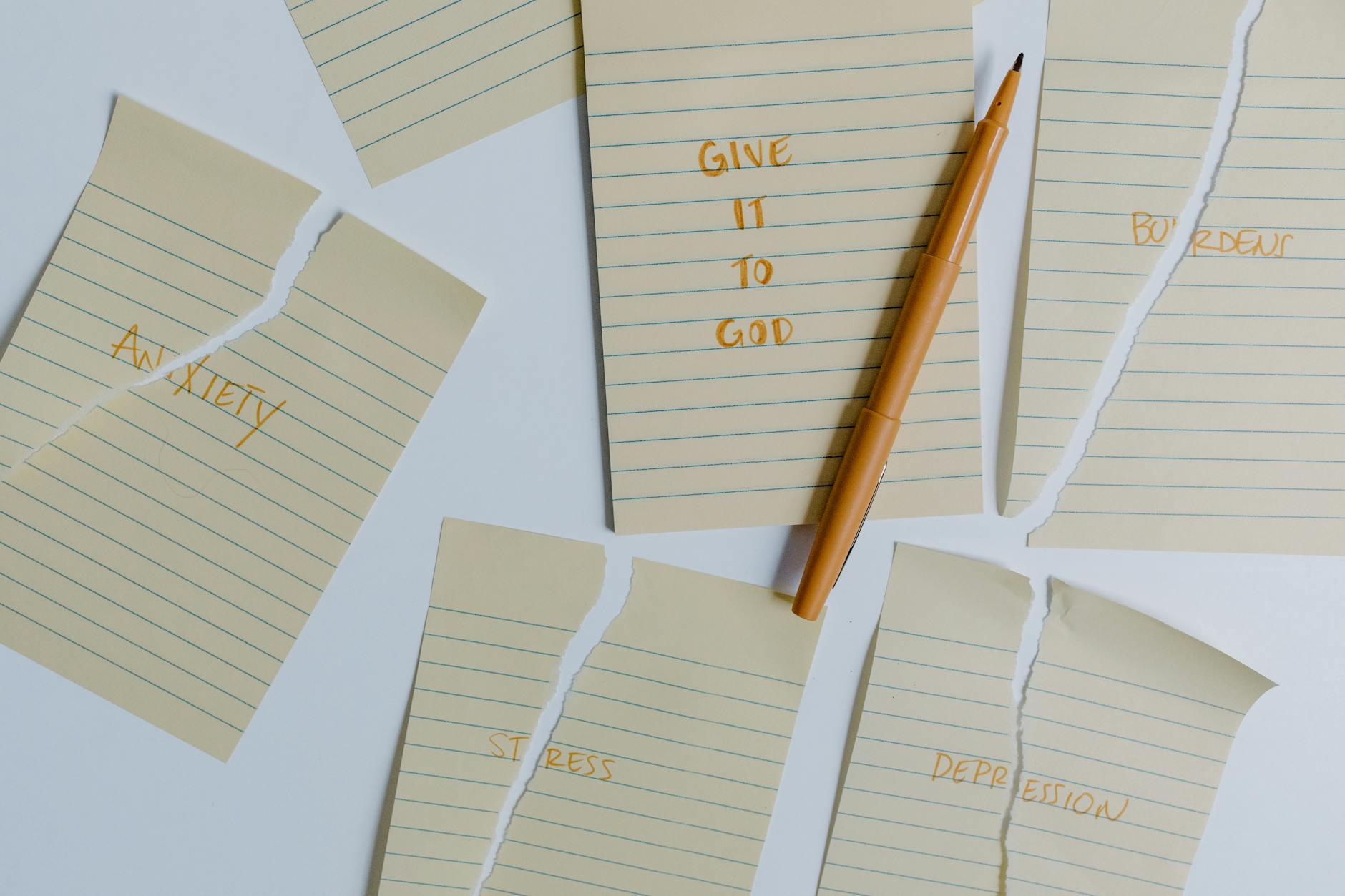
If yelling is a pattern you’re trying to break, consider bringing it into prayer. Ask for patience, gentleness, and self-control in the specific moments that test you most. Faith shapes how we parent in ways that go beyond behavior management—it offers both a reason to pursue gentleness and forgiveness when we don’t get it right. For families who pray together, even ten minutes of family devotions can reset the emotional temperature in a home.
Frequently Asked Questions
Does yelling at kids work?
Yelling may produce compliance in the moment, but research suggests it doesn’t work long-term. A 2014 study (Wang & Kenny, Child Development) found harsh verbal discipline was linked to more behavioral problems over time, not fewer. Children comply to avoid discomfort, but they don’t internalize the lesson—and the relationship cost is real.
Am I damaging my child by yelling?
Occasional raised voices in a loving home are not the same as a chronic pattern of harsh verbal discipline. What matters most is the overall relational pattern and whether the yelling is frequent enough to trigger persistent fear or anxiety in your child. If you’re asking this question, that self-awareness is itself a good sign.
How much yelling is too much for a child?
There’s no precise threshold, but watch for: withdrawal, excessive anxiety about making mistakes, flinching at raised voices, or persistent behavioral problems. If your child seems afraid of your emotional reactions—not just appropriately aware of consequences—that’s worth addressing. Occasional frustration is different from a pattern that keeps your child in a state of low-level fear.
Why am I always yelling at my kids?
Usually it’s a combination of stress, exhaustion, and habit—especially if yelling was part of how you were raised. Tracking when you yell most often can reveal patterns. Yelling is a learned behavior, which means it can also be unlearned—but it takes deliberate effort, not just willpower.
Why does my child shout when he talks?
Modeling is the most common cause—children mirror the volume of the home. A hearing check with your pediatrician is worth doing if the volume seems consistently high. Younger children also haven’t developed volume regulation yet; it grows with age and practice. And if quiet requests are often ignored, children learn that louder gets results.
Is yelling a learned behavior?
Yes—for both parents and children. Parents who grew up in homes where yelling was common are more likely to default to it under stress. Children in those homes learn to use it too, because it’s modeled as normal. The encouraging part: learned behaviors can change with awareness and practice.
You are not the last word on how your child’s story turns out. Every time you pause, repair, and try again, you are writing a better ending—for both of you.


Pingback: Gentle Parenting and Tantrums: 5 Ways to Stay Calm